Cloudy Pool Water: Why It Happens and How to Clear It
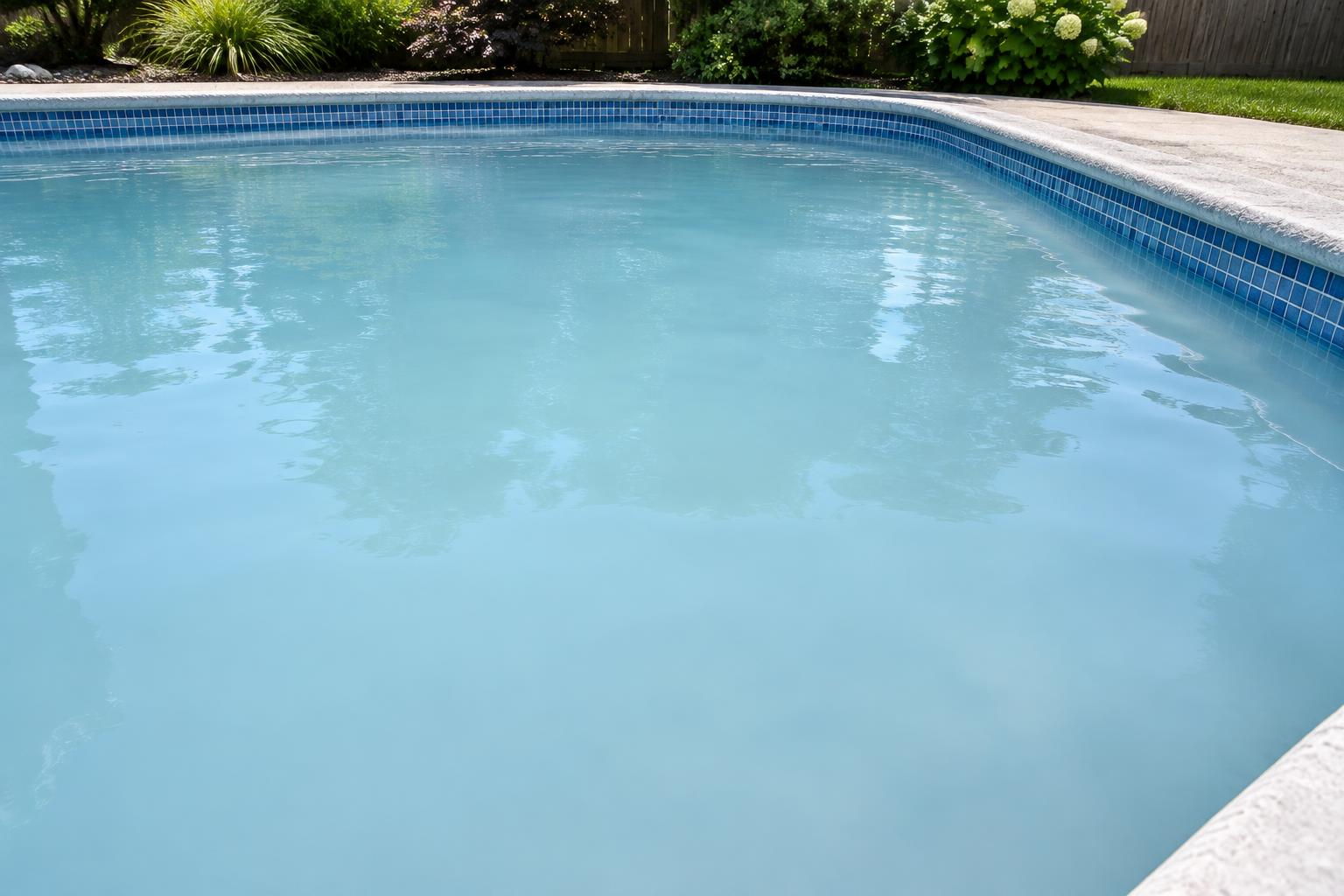
Cloudy pool water typically comes from insufficient sanitizer, poor filtration, suspended debris, or unbalanced water chemistry. To clear it, test the water, correct the underlying problem, brush and vacuum, and make sure the filter is working properly. Avoid swimming if you cannot clearly see the bottom or main drain; appearance alone also cannot confirm that water is sanitary.
Why is my pool water cloudy?
Cloudiness means particles are scattering light instead of letting you see clearly through the water. The challenge is identifying what those particles are—and why your pool is not removing them.
Low sanitizer or developing algae
When free chlorine is insufficient for the pool’s conditions, contaminants and algae may build up. Water can look hazy before it becomes visibly green. Slippery walls, recurring discoloration, or unusually fast chlorine loss may support this explanation, but testing is still necessary.
Sunlight, heavy swimming, leaves, and other organic material can increase sanitizer demand. Cyanuric acid, also called stabilizer or CYA, affects how chlorine should be managed, so a chlorine reading needs context.
Filtration or circulation problems
A dirty filter, blocked basket, short pump schedule, or damaged filter component may leave fine particles suspended. Weak return flow or areas where debris consistently collects can suggest circulation problems.
High filter pressure often indicates loading or a restriction. Unusually low pressure may point to a different issue, such as restricted suction or inadequate flow. Compare readings with your system’s normal clean-filter pressure rather than a universal number.
Water-balance problems
High pH, particularly alongside high calcium hardness and alkalinity, may encourage calcium carbonate to precipitate and create a milky appearance. Cloudiness that appears after adding chemicals may involve this kind of reaction or undissolved material.
Low pH can damage equipment and surfaces, but it is not typically the same direct cause of milky calcium cloudiness. Test rather than assuming every cloudy pool needs acid.
Fine debris and recent pool use
Pollen, dust, sunscreen, storm runoff, and small organic particles may overwhelm normal filtration. A pool that turns cloudy after a busy weekend or storm may have both extra debris and increased sanitizer demand.
Quick reference: symptoms and useful checks
These clues can narrow your investigation, but they do not replace water testing.
| What you notice | Possible explanation | What to check first |
|---|---|---|
| Hazy water with slippery surfaces | Developing algae or inadequate sanitation | Free chlorine, CYA, brushing needs |
| White or milky water after chemical additions | Calcium precipitation or undissolved product | pH, alkalinity, calcium hardness, product instructions |
| Cloudiness with weak return flow | Filtration or circulation problem | Baskets, pump operation, filter pressure |
| Cloudiness after rain or heavy swimming | Fine debris and increased sanitizer demand | Chlorine, debris load, filtration |
| Persistent haze despite reasonable readings | Fine particles, filter damage, or incomplete testing | Filter condition and a comprehensive water test |
How to clear cloudy pool water: step by step
1. Keep swimmers out when visibility or sanitation is uncertain
If you cannot clearly see the pool floor and main drain, keep everyone out. Poor visibility can hide a swimmer in distress. For pools without a main drain, the deepest part of the floor should remain clearly visible.
Also avoid swimming when sanitizer or pH is outside the appropriate operating range. Follow product-label re-entry requirements after treatment.
2. Test before adding anything
Use a reliable pool test kit to check free chlorine, combined chlorine where available, pH, total alkalinity, CYA, and calcium hardness. Check expiration dates and follow testing instructions carefully.
For many residential pools, a pH of approximately 7.2–7.8 is an appropriate operating range. Other targets depend on your sanitizer system, pool surface, equipment, and stabilizer level. Follow applicable guidance rather than treating one chlorine number as suitable for every pool.
Record recent chemical additions, weather, swimming activity, and filter pressure. If results seem inconsistent, consider a professional water test before dosing again.
PoolPilot AI can help organize these clues into an initial assessment using a pool photo or test readings. A photo may reveal visible symptoms, but it cannot measure sanitizer levels or establish that water is safe. Analyze my pool — free.
3. Remove debris and brush surfaces
Empty skimmer and pump baskets using the equipment manufacturer’s shutdown procedure. Skim leaves and floating debris, then brush walls, steps, corners, and the floor with a brush suitable for your pool finish.
Vacuum settled material. Removing debris physically reduces the load on both sanitizer and filtration. Check whether your robotic cleaner or vacuum filter also needs cleaning.
4. Check and service the filtration system
Confirm that the pump is operating normally and that water is moving through the returns. Inspect the filter according to its manual:
- Cartridge filters: Clean or replace cartridges as needed; look for tears and poor seating.
- Sand filters: Backwash when the manufacturer’s pressure or maintenance criteria call for it, then rinse as directed.
- Diatomaceous earth filters: Follow the prescribed cleaning procedure and restore the correct DE charge afterward.
Always shut down equipment and release pressure as instructed before opening a filter. Never loosen a pressurized filter lid. Consider a technician if you suspect a damaged component, leak, or electrical fault.
5. Correct chemistry based on the results
Address measured problems rather than adding several products at once. Calculate doses from an accurate pool volume and the product’s concentration. Retest after the label-specified circulation or waiting period.
If testing suggests insufficient sanitation or algae, follow an appropriate treatment process for your pool and CYA level. Do not assume a routine maintenance dose will resolve an established algae problem, or that every cloudy pool needs shock.
If high pH and calcium scaling appear involved, correcting water balance may help. Substantially excessive calcium or CYA may require a water-replacement plan. Consult a professional before draining, especially where groundwater or structural risks exist.
Follow product labels, wear recommended protection, and never mix chemicals. Store products separately and never combine them in a bucket, feeder, or other container.
6. Give filtration time, then reassess
Run the filtration system for an extended period consistent with equipment guidance while monitoring flow and pressure. Brush and vacuum again as necessary. Clean the filter when indicated, not simply because the water remains hazy.
Look for a trend toward better visibility. If there is no improvement after a day or two of verified treatment and effective filtration, reconsider the diagnosis rather than repeating doses blindly.
7. Consider clarifier only when appropriate
A pool clarifier may help a working filter capture very fine particles, but it cannot replace adequate sanitation or repair equipment. Use only a compatible product at the labeled dose; overdosing may worsen cloudiness.
Flocculant is different: it typically settles particles for removal, often by vacuuming to waste. Not every filter or plumbing setup supports that process. Check compatibility and disposal requirements before using it.
When to get professional help
Contact a qualified pool professional for persistent cloudiness, recurring algae, unexplained chemical demand, suspected filter failure, or water chemistry you cannot confidently interpret. Serious issues such as suspected electrical faults, chemical exposure, or major contamination require appropriate professional assistance—not another trial treatment.
For routine troubleshooting, PoolPilot AI offers three free assessments per month with no credit card required. Upload a photo or readings for AI-powered next-step guidance: Analyze my pool — free.
FAQ
Can I swim in a cloudy pool?
Avoid swimming if the bottom or main drain is not clearly visible, or if sanitation is uncertain. Clear visibility and appropriate test results both matter. Water that looks clear may still be unsafe.
Why is my pool cloudy after shocking?
Possible causes include dead algae awaiting filtration, suspended debris, undissolved product, or calcium precipitation. Retest, review the product instructions, and check filtration before adding more shock. High sanitizer levels may also interfere with some tests.
How long does cloudy pool water take to clear?
Mild cloudiness may improve within a day or two after the cause is corrected. Algae, heavy debris, or equipment problems may take longer. Improving visibility and stable chemistry are more useful indicators than a fixed deadline.
Will baking soda clear cloudy pool water?
Baking soda raises total alkalinity; it is not a general cloudiness treatment. It may be useful when testing confirms low alkalinity, but unnecessary additions can complicate water balance. Choose treatment based on measured results.